
If one component of your health plan — such as pharmacy benefits or a wellness program — no longer meets your needs, can you replace it without disrupting the rest of the plan? The answer often depends on whether you use an insurance carrier for administrative services only (ASO) or an independent third-party administrator (TPA).
An ASO carrier usually requires you to bundle medical administration, network access, pharmacy benefits, and stop-loss insurance into a single arrangement. That packaging can simplify coordination. However, the services are frequently intertwined by contract, so changing one element can affect pricing, network access, or other conditions for the remaining services.
Independent TPAs like MedBen take a different approach. We help employers evaluate how plan components work together and select individual partners that fit our client’s goals. Clients can choose from multiple vendors that compete for their business, rather than accepting a single bundled package.
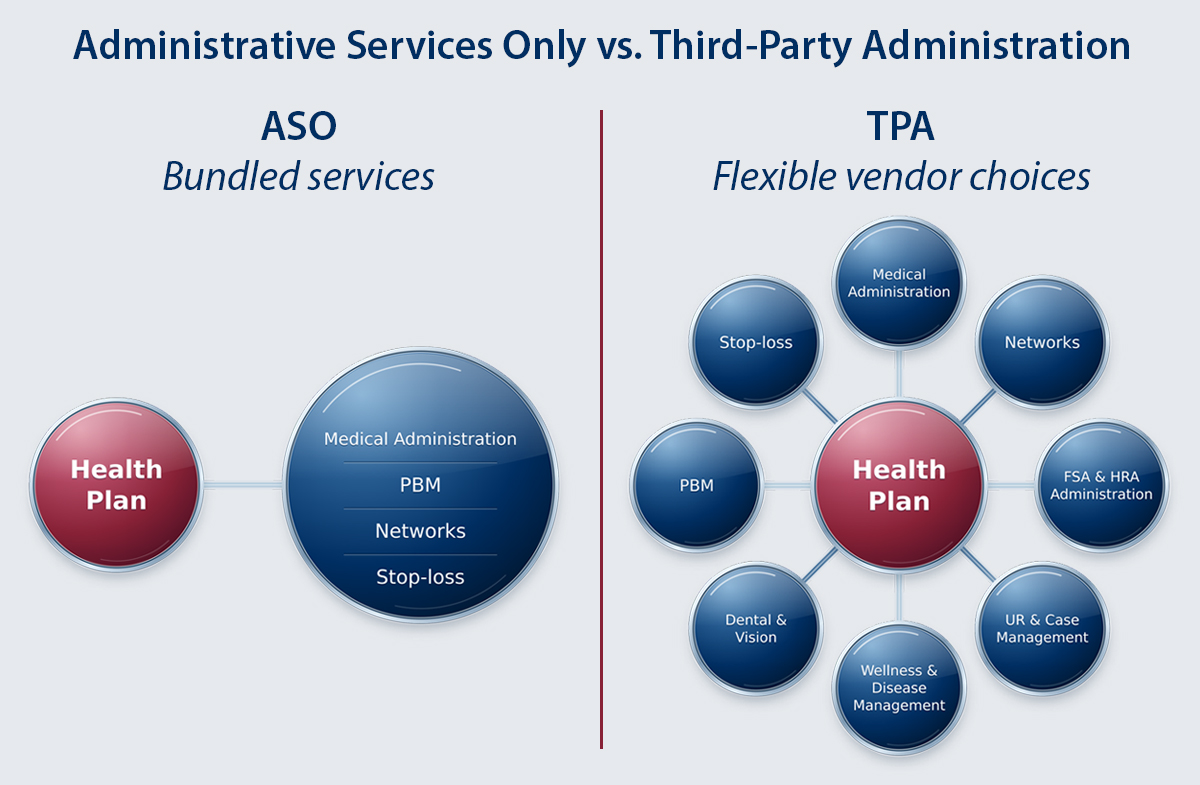
When comparing the two approaches, it’s critical to look beyond the network discount. A larger discount does not necessarily mean lower overall costs. How discounts are calculated — and where they apply — can make a significant difference. Employers should ask:
- Do the discounts reflect the hospitals our members actually use, or broader market averages?
- Are promised discounts based on current charges, or higher projected charges that make the savings appear larger?
- Do reported discounts exclude deductibles, copayments, and other amounts that are not network savings?
- Do discounts decrease for large claims or longer hospital stays?
Contract terms also deserve consideration. An attractive price should be weighed alongside the employer’s ability to audit claims for both financial and clinical accuracy and choose vendors. Questions include:
- How are claims checked for accuracy?
- Can errors be challenged and corrected?
- Can we select pharmacy and stop-loss vendors independently of the medical administrator?
- Would replacing one component change fees or terms elsewhere in the program?
Employers should compare total costs and the control both models offer. For those seeking to adjust individual components over time, an independent TPA can provide more flexibility to retain services that perform well while changing those that need improvement.