
We spend a lot of time on lowering spend for high-cost drugs, but the simplest, highest-ROI opportunity for prescription savings is still right in front of us: choosing a generic when one is available and clinically appropriate.
A September JAMA Network Open study found that people who filled generics in 2022 spent an average of $97 out of pocket on those drugs for the year, versus $260 for those who filled brand-name drugs. Generics accounted for 55% of total out-of-pocket prescription spending, yet 52% of people filled at least one generic compared with only 16% who filled a brand-name drug.
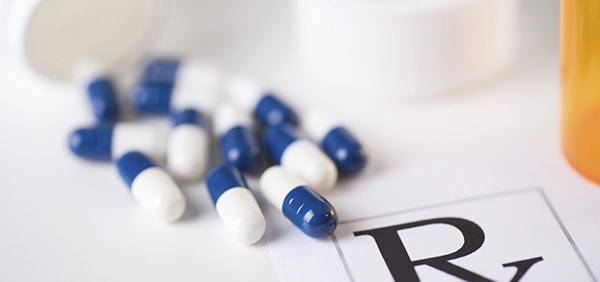
The impact on total plan cost is even larger. Generics made up 89% of U.S. prescriptions filled in 2025 but only 11.6% of overall prescription drug spending, according to the Association for Accessible Medicines and the IQVIA Institute. That volume-to-spend gap produced $496 billion in total healthcare-system savings in 2025 — savings that flow to both the health plan and its members.
FDA-approved generics contain the same active ingredients and deliver the same clinical benefit as their brand-name counterparts, typically at 80% or more lower cost. For employers, the strategy is straightforward: encourage generic use when appropriate and keep copays low on the ones members use most. Few other benefit moves deliver this much savings with so little complexity.
You’ve also heard a lot about biosimilars lately. Biosimilars are like generics for biologic drugs, offering the same clinical benefit at a substantially lower cost. If you’re a MedBen Rx client and not currently offering biosimilars, contact your Account Management team.