
Vision loss is quietly becoming one of the most significant — yet preventable — health challenges. Today, an estimated 93 million American adults are at high risk for serious vision loss, and roughly 7 million Americans already live with vision impairment and blindness. As the population ages, these numbers are expected to rise sharply.
According to CDC projections, by 2050:
- Diabetic eye disease is expected to increase by 72%.
- Cataracts are projected to rise by 87%.
- Glaucoma and age-related macular degeneration are each expected to double.
- Vision impairment and blindness could increase by 150%.
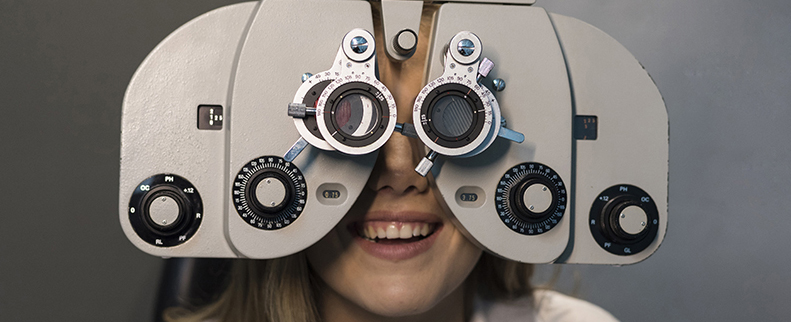
Despite these trends, many individuals are not taking advantage of one of the most effective preventive tools available: routine eye exams. Among adults at high risk for vision loss, only about half report having an annual exam.
Early detection can prevent or delay many forms of vision loss. In some cases, such as diabetic retinopathy, timely treatment can reduce the risk of blindness by up to 90%. More broadly, a significant portion of vision impairment and blindness may be preventable with proper care.
Preventing half of all vision impairment starts with one straightforward decision — scheduling an annual eye exam.